
Japan for the Second (or Fifth) Time
Guide
Done Tokyo and Kyoto? Here is where Japan actually begins — Tohoku, Shikoku, the San'in coast, Kumano Kodō, rural Kyushu, and the Japan Alps.
There comes a point in a traveller's relationship with Japan when the familiar stops being enough.
You have walked through Fushimi Inari at dawn. You have stood on the platform at Tokyo Station and watched the Shinkansen arrive, precisely on time, for the tenth occasion. You have eaten tempura at a counter in Ginza and soaked in the onsen at Hakone and navigated Kyoto's temple circuit with varying degrees of patience. You know Japan — or you know the version of it that the guidebooks have been selling for twenty years.
The question is what comes next. And the answer, for the traveller willing to look, is almost everything.
Japan is a country the size of California with the topographic variety of a continent. The corridor between Tokyo, Kyoto, and Osaka — the route that most international visitors never leave — represents a fraction of what is here. Beyond it lies a landscape of volcanic mountains, deep river valleys, coastal villages that have not changed in decades, and regional cultures so distinct they might as well be separate countries. The second trip to Japan is not a repetition. It is the beginning of understanding the place.
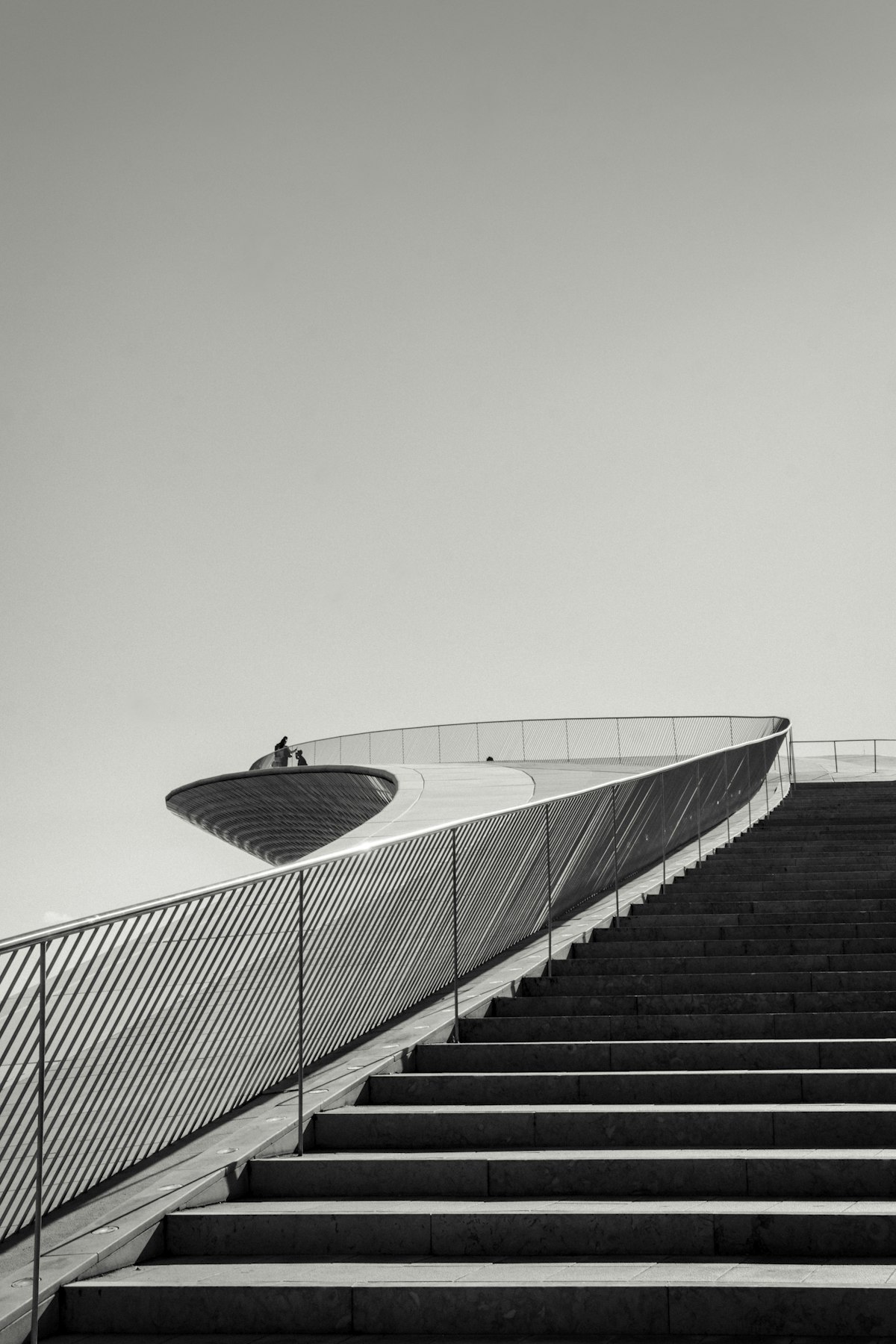
Tohoku: The Unhurried North
Tohoku is the region that Japan's own domestic tourists often describe as the last real countryside. It occupies the northern third of Honshu, and it has a character entirely different from anything south of Sendai: deeper snow, darker winters, a quieter hospitality. Aomori in January is another world — the Nebuta Warasse museum glowing against grey skies, the morning market at Furukawa selling apples the size of softballs, and Hirosaki Castle's moat frozen solid beneath bare cherry trees. Read: The Snow That Stays — Aomori in winter.
Further south, Tono sits in a valley ringed by low mountains and holds onto its folklore with an earnestness that borders on defiance. The kappa legends, the L-shaped magariya farmhouses, the shrines tucked into cedar groves — Tono is the kind of place that rewards a traveller who arrives without an agenda and stays long enough to hear the stories. Read: The Stories That Stay in the Walls — Tono and Tohoku folklore.
Planning a trip to Tohoku? Book a discovery call →

Shikoku: The Island That Keeps Its Secrets
Shikoku is the smallest of Japan's four main islands and the least visited by international travellers, which is precisely its appeal. The Iya Valley, deep in the mountainous interior of Tokushima Prefecture, is where the Heike clan fled after their defeat in the twelfth century. The vine bridges still hang across the gorges. The farmhouses cling to slopes so steep the local joke is that cows here have two legs shorter than the other two. Read: Where the Heike Vanished — the Iya Valley.
On the northern coast, Kochi faces the Pacific and has a food culture built around fire. Katsuo no tataki — bonito seared over rice straw at temperatures that would alarm a European chef — is best eaten at a market counter in Kochi City, still warm, with nothing more than salt and sliced garlic. Read: The Flame That Feeds the South — Kochi, Shikoku.
Planning a trip to Shikoku? Book a discovery call →
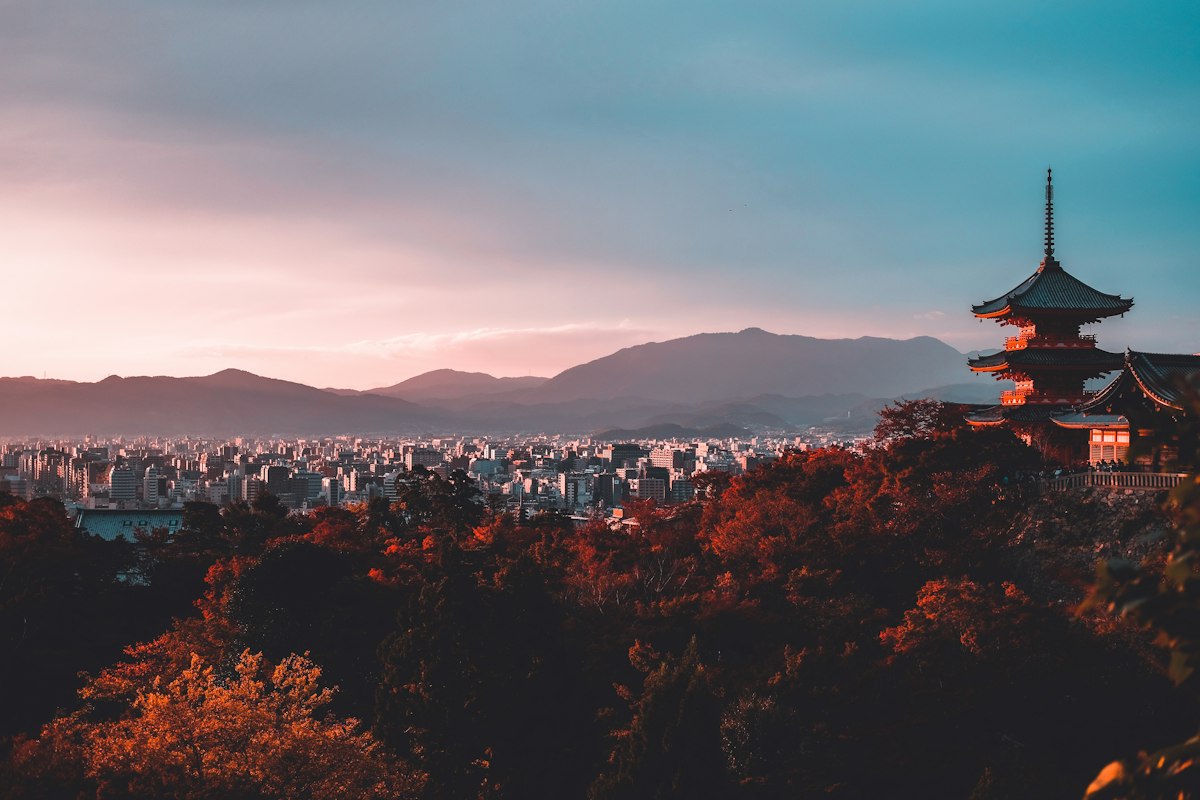
The San'in Coast: Japan's Other Side
Ask a well-travelled Japanese person about the San'in coast and they will often pause before answering, as though surprised anyone outside Japan has heard of it. This is the Japan Sea side of western Honshu — Matsue, Izumo, Tsuwano, Hagi — and it has the feeling of a country that developed independently of the Pacific-facing cities.
Matsue is where Lafcadio Hearn settled in 1890, drawn by something he could not quite articulate. You can still feel it: the castle reflected in the moat at dusk, the tea culture that rivals Kyoto's but without the ceremony of being watched. Izumo Taisha, the oldest and arguably most sacred Shinto shrine in Japan, sits at the end of a road lined with soba restaurants. Read: The Country on the Other Side of the Mountains — Matsue and Izumo. Nearby, Tsuwano is a castle town so quiet it feels like a secret Japan has been keeping. Read: The Town That Kept Its Silence — Tsuwano.
Planning a trip to the San'in Coast? Book a discovery call →

Rural Kyushu: Volcanoes, Onsen, and the Edge of Things
Kyushu is where Japan starts to feel subtropical, and its interior is defined by fire. Beppu produces more hot spring water than almost anywhere else on earth — the town steams constantly, and the neighbourhood of Kannawa has a tradition of cooking food in volcanic steam that predates most things in your guidebook. Read: Where the Earth Still Breathes — Beppu and Kannawa.
Further south, Yakushima is an island that receives so much rainfall the locals measure it not in millimetres but in reputation. The ancient cedar forests — some trees over a thousand years old — exist in a state of perpetual dampness that produces moss, silence, and the distinct feeling of having stepped out of the present century. Read: Thirty-Five Rainfall Days a Month — Yakushima. If you want to plan a trip to Kyushu or Yakushima, a planning call is the most efficient way to get the details right.
Planning a trip to Rural Kyushu? Book a discovery call →

The Japan Alps: Walking Above the Clouds
The Japan Alps divide central Honshu into a Pacific side and a Japan Sea side, and the villages that sit at their base are only the beginning. The Nakasendo, the old mountain road between Kyoto and Edo, passes through post towns like Tsumago and Magome where the buildings are three hundred years old and the silence in winter is absolute. In snow, the Nakasendo is eight kilometres of stone path between two towns that feel as though they have been waiting for you. Read: The Nakasendo in Snow — Tsumago to Magome.
Planning a trip to the Japan Alps? Book a discovery call →
This is the Japan that the second trip reveals. Not a different country, but the same country seen from a different angle — quieter, slower, more specific. The kind of travel that does not fit neatly into a ten-day itinerary, but that changes the way you think about the place entirely.
The Unbeaten Path is a free weekly newsletter that covers exactly this territory. One destination, one experience, one seasonal moment — explored in depth, with the local knowledge to get there. The letter arrives every Monday. Or, if you have a specific trip in mind, book a discovery call with Joshua — it's free and it will quickly tell us both what's possible.